

Our Work
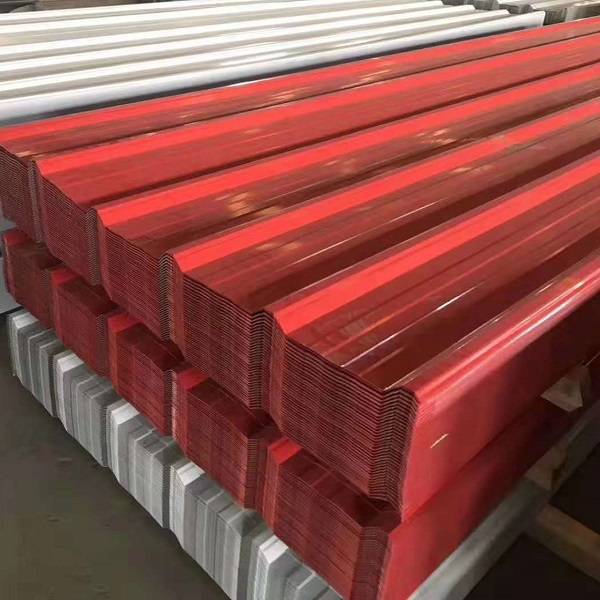
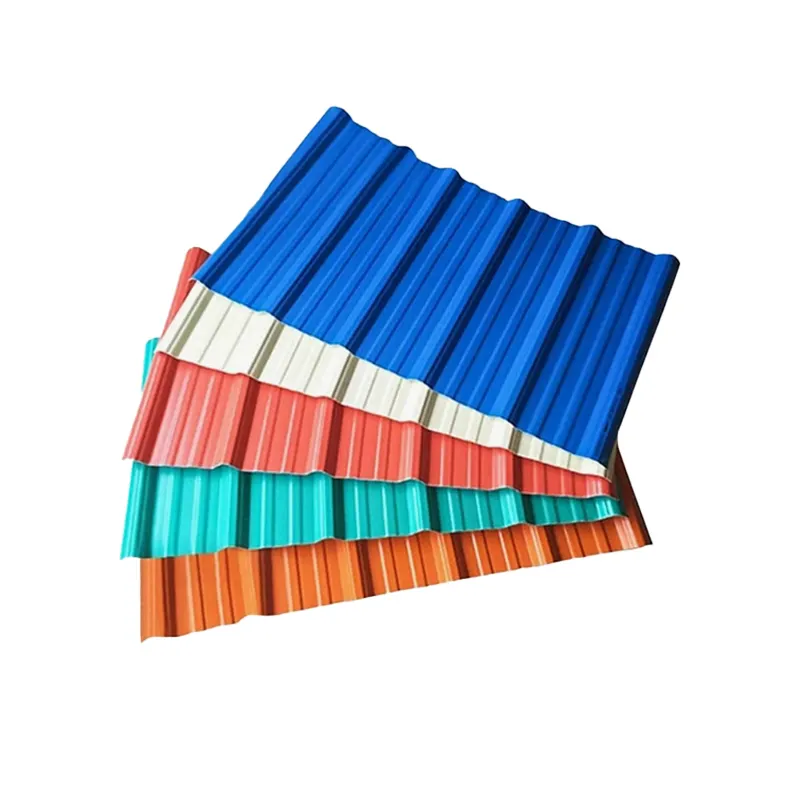
Corrugated roofing sheets are metal sheets with a wavy or ribbed pattern, providing enhanced strength and durability. They are widely used in residential, commercial, and industrial buildings for roofing and cladding applications.
Types of Corrugated Roofing Sheets
Based on Material
1. Metal Corrugated Sheets (GI, PPGI, Aluminum, Stainless Steel, Zinc, etc.)
Highly durable and weather-resistant
Available with protective coatings (e.g., galvanized, pre-painted, or zinc-aluminum coated)
Common thickness: 0.3mm to 1.2mm
2. Plastic Corrugated Sheets (PVC, Polycarbonate, Fiberglass)
Lightweight and cost-effective
Transparent or translucent options available for skylights
UV-resistant coatings for longer life
Profile Types & Specifications
Corrugated sheets come in different profiles, with measurements like 35/200 and 45/250, where:
The first number represents the rib height (mm)
The second number represents the rib pitch (mm)
Common profiles:
45/250 (45mm rib height, 250mm pitch) – Suitable for heavy-duty roofing
Sinusoidal Profiles – Traditional wavy design
Trapezoidal or Box Profiles – Modern, high-strength sheets
Advantages of Corrugated Roofing Sheets
Durability – Long-lasting and corrosion-resistant (especially metal sheets with coatings)
Lightweight – Easier to transport and install
Cost-Effective – Cheaper than concrete or tiled roofing
Weather-Resistant – Withstands heavy rains, wind, and even snow
Energy-Efficient – Reflective coatings reduce heat absorption
Applications
Residential: House roofs, car parking structure, and sheds
Commercial: Warehouses, factories, and workshops
Agricultural: Barns, poultry farms, and greenhouses
Public Infrastructure: Railway stations, bus stops, and storage facilities

